4-6 Breathing for Calm and Nervous System Reset
When stress rises, your breathing naturally becomes faster and shallower. One of the fastest ways to reverse this response is through the Extended Exhale Technique—a simple breathing method where your exhale is longer than your inhale.
The most common version is the 4-6 pattern, but it can be adjusted as long as the key principle is maintained: the exhale is longer than the inhale.
What Is the Extended Exhale Technique?
The Extended Exhale Technique is a breathing method that emphasizes a longer, slower exhale to activate the body’s relaxation response.
A standard pattern looks like this:
- Inhale for 4 seconds
- Exhale for 6 seconds
However, variations are encouraged depending on comfort and experience level.
Common Variations of Extended Exhale Breathing
The key rule is simple: keep the exhale longer than the inhale.
- 4-6 pattern: Balanced beginner version
- 3-7 pattern: Stronger calming effect
- 5-8 pattern: Slower, deeper relaxation
- 2-4 pattern: Gentle version for stress or shortness of breath
How the 4-6 Pattern Works
Inhale (4s) → Exhale (6s)
This imbalance shifts your nervous system away from stress and toward relaxation by slowing your heart rate and increasing parasympathetic activity.
Why the Extended Exhale Works So Well
1. Activates the Relaxation Response
The longer exhale stimulates the vagus nerve, which helps calm the body.
- Reduces heart rate
- Lowers stress hormones
- Promotes physical relaxation
2. Quickly Reduces Anxiety
Extending the exhale helps interrupt anxious breathing patterns.
- Calms racing thoughts
- Reduces panic sensations
- Improves emotional control
3. Improves Oxygen Efficiency
Slower exhalation allows the body to regulate carbon dioxide levels more effectively.
4. Enhances Focus and Presence
The structured breathing rhythm helps anchor attention in the present moment.
5. Supports Better Sleep
This technique is especially effective before bed, as it naturally slows down the nervous system.
How to Practice the Extended Exhale Technique (Step-by-Step)
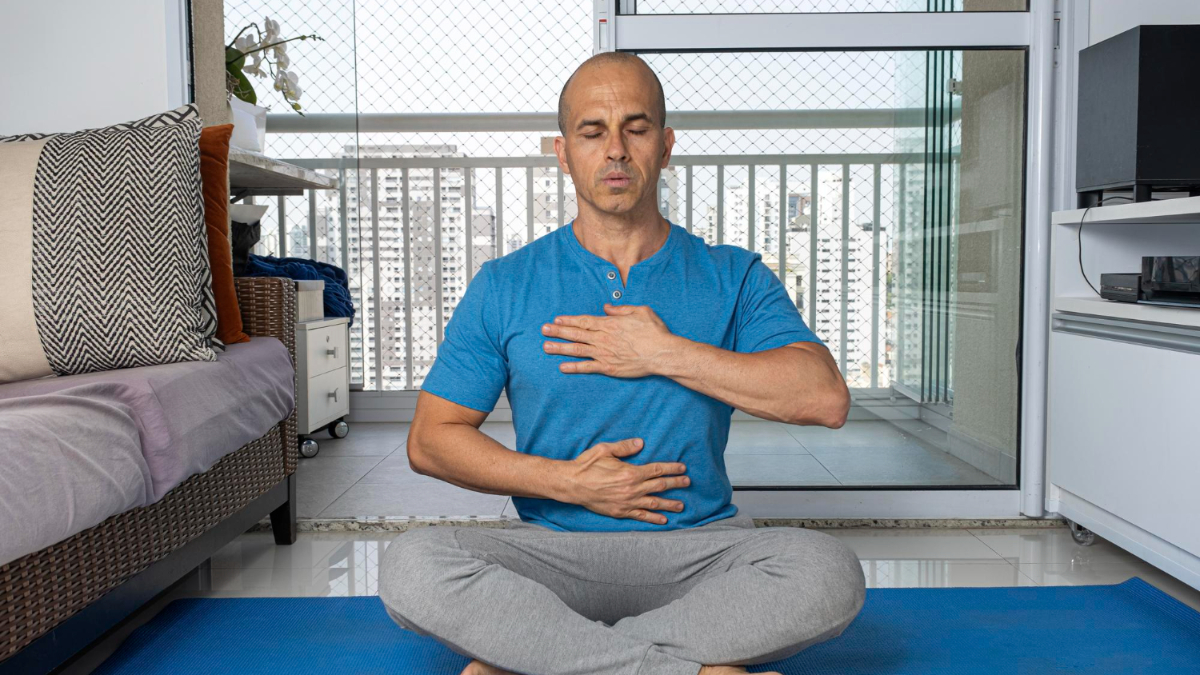
- Get Comfortable: Sit or lie down in a relaxed position.
- Inhale: Breathe in slowly through your nose for 4 seconds (or your chosen count).
- Exhale: Slowly release air for 6 seconds (or longer than your inhale).
- Maintain Rhythm: Keep breathing smooth and relaxed without strain.
- Repeat: Continue for 3–10 minutes depending on your needs.
When to Use Extended Exhale Breathing
This technique is highly versatile and useful in many situations:
- During stress or anxiety
- Before sleep
- During emotional overwhelm
- After physical exertion
- To reset focus during the day
Tips for Best Results
- Always keep the exhale longer than the inhale
- Breathe gently—avoid forcing airflow
- Start with comfortable timing before extending further
- Relax your shoulders, jaw, and chest
Common Mistakes to Avoid
- Making the exhale too forceful
- Rushing the inhale
- Holding tension in the body
- Ignoring comfort limits when increasing duration
The goal is calm regulation—not breath control under strain.
Who Should Use the Extended Exhale Technique?
This breathing method is suitable for almost everyone, especially:
- People experiencing stress or anxiety
- Individuals with busy or overstimulated minds
- Those struggling with sleep
- Anyone seeking quick emotional regulation tools
Final Thoughts
The Extended Exhale Technique is one of the simplest and most effective ways to calm your nervous system quickly. By making your exhale longer than your inhale, you naturally shift your body into a relaxed, balanced state.
Try it now using the Simple Breathing app to guide you through the experience.
Or experiment with your own ratio - just remember: longer exhale, calmer mind.