Benefits, Technique, and Energizing Breathwork Guide
If you’re looking for a breathing technique that energizes the body, clears mental fog, and activates focus, Kapalabhati breathing is one of the most powerful practices in traditional yoga.
Often called the “skull shining breath,” Kapalabhati is a dynamic breathing exercise designed to stimulate energy, improve mental clarity, and refresh the nervous system.
What Is Kapalabhati Breathing?
Kapalabhati is a yogic breathing technique that involves short, forceful exhales followed by passive inhales. Unlike calming breathwork methods, this technique is energizing and stimulating.
It is typically practiced in short rounds of rhythmic breathing.
How Kapalabhati Breathing Works
Forceful Exhale → Passive Inhale → Repeat
The focus is on active exhalation, where the abdomen contracts sharply to push air out of the lungs. The inhale happens naturally as the body relaxes.
Basic Kapalabhati Rhythm
- Quick, forceful exhale through the nose
- Passive inhale (no effort)
- Repeated in steady rhythm (20–60 breaths per round)
Benefits of Kapalabhati Breathing
1. Increases Energy and Vitality
Kapalabhati stimulates the nervous system, helping you feel more awake and alert.
- Reduces fatigue
- Boosts mental energy
- Improves overall vitality
2. Clears Mental Fog
The rapid breathing pattern helps oxygenate the brain and sharpen focus.
- Improves concentration
- Enhances clarity
- Reduces sluggish thinking
3. Supports Respiratory Health
This technique helps strengthen the lungs and improve airflow efficiency.
- Strengthens breathing muscles
- Improves lung capacity
- Encourages better oxygen exchange
4. Aids Digestion and Core Activation
The repeated abdominal contraction gently massages internal organs.
- Stimulates digestion
- Activates core muscles
- Supports detox processes
5. Enhances Focus and Alertness
Kapalabhati is often used before meditation or work requiring concentration.
- Improves attention span
- Increases mental sharpness
- Prepares the mind for activity
How to Practice Kapalabhati Breathing (Step-by-Step)
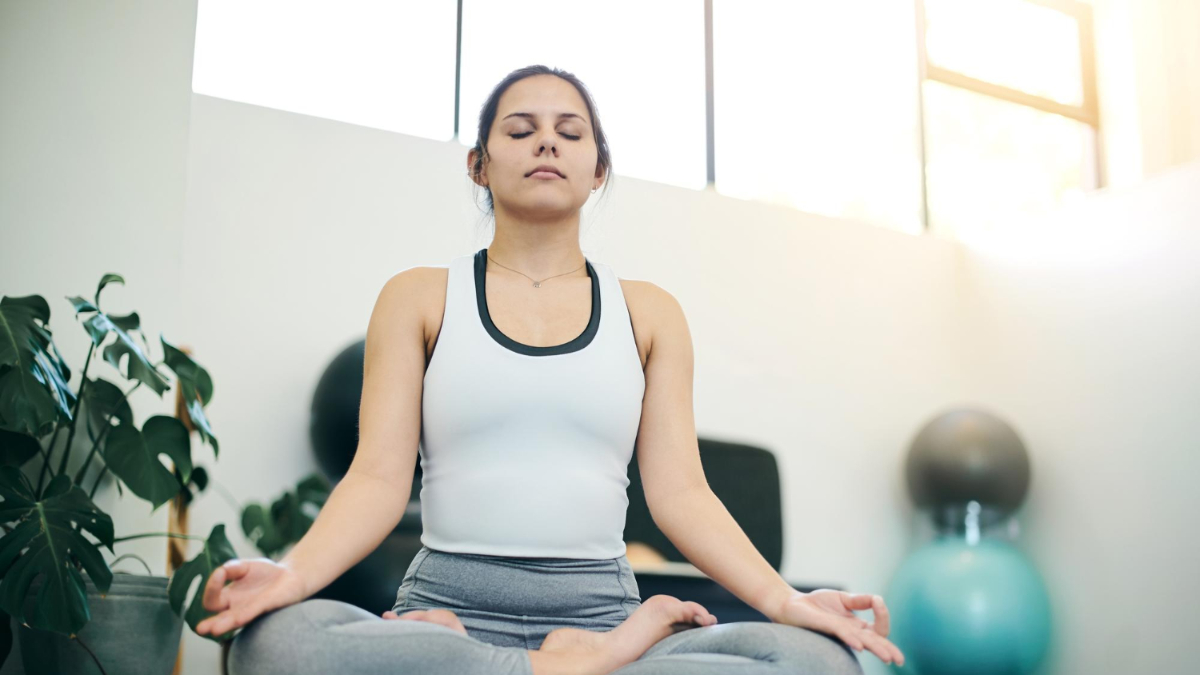
- Sit Comfortably: Keep your spine straight and shoulders relaxed.
- Take a Deep Inhale: Prepare your lungs with a gentle breath in.
- Forceful Exhale: Quickly contract your abdomen to push air out through your nose.
- Passive Inhale: Let the inhale happen naturally without effort.
- Repeat Rhythmically: Continue for 20–30 breaths to start.
- Rest: Pause and breathe normally between rounds.
When to Use Kapalabhati Breathing
This technique is energizing and best used at specific times:
- In the morning to wake up the body
- Before workouts for activation
- Before studying or focused work
- When feeling mentally sluggish
- Before meditation (to clear the mind)
Tips for Best Results
- Keep your spine upright and stable
- Focus on the exhale, not the inhale
- Start slowly and increase intensity gradually
- Practice in short rounds to avoid fatigue
Common Mistakes to Avoid
- Forcing the inhale instead of letting it happen naturally
- Using only chest breathing instead of abdominal movement
- Practicing too long without rest
- Overstraining the breath or abdominal muscles
The goal is controlled energy—not exhaustion.
Who Should Use Kapalabhati Breathing?
This technique is ideal for:
- People needing an energy boost
- Students or professionals requiring focus
- Individuals practicing yoga or meditation
- Anyone looking to improve respiratory strength
Final Thoughts
The Kapalabhati breathing technique is a powerful way to energize the body, clear the mind, and strengthen the respiratory system. Unlike calming breathwork practices, it activates your system and prepares you for focused, productive activity.
Try it now with guidance from the Simple Breathing app available on Google Play.
Short exhale… release…
Short exhale… release…
Let the inhale happen naturally.
Repeat - and feel your energy rise.